Molecular biology
  • Home
  • videos
    • Biology
    • Molecular Biology
    • Cell Biology
    • Biochemistry
    • Scientific Animation
    • Others
  • Books
    • Cell and Molecular Biology
    • Biochemistry and Biotechnology
    • Microbiology
    • Immunology
    • Biology
  • Notes
    • Molecular Biology
    • Biochemistry
    • Botechnology
  • Mock Test

Wednesday, December 4, 2024

Basic Molecular Biology chapter -3

 December 04, 2024     No comments   

Principles of gene regulation:

Introduction to Gene Regulation

Gene regulation is a critical process by which cells control the expression of genes to ensure proper function, adaptation, and development. In every organism, genes encode information that guides cellular activities, but not all genes are expressed at all times or in all cells. Gene regulation ensures that genes are turned on or off in response to specific signals, environmental changes, or developmental cues, which is essential for maintaining cellular homeostasis, differentiation, and response to external factors.

In eukaryotes, gene regulation allows for complex processes such as tissue-specific gene expression, the coordination of metabolic pathways, and the response to stress or signaling molecules. In prokaryotes, gene regulation is vital for adapting to changes in the environment, such as the availability of nutrients. This regulation occurs at various levels, from the DNA to the protein, and involves multiple mechanisms, including modifications to the DNA itself, RNA processing, and changes in protein activity.

The study of gene regulation is foundational to understanding how cells function, how organisms develop, and how diseases such as cancer and genetic disorders arise due to misregulation of genes. This broad field also has significant applications in biotechnology, where manipulating gene expression can be used for medical therapies, agricultural improvements, and industrial applications.

In this context, gene regulation can be categorized into several key areas, each playing a vital role in determining when, where, and how genes are expressed. These mechanisms ensure that cellular processes are finely tuned and that gene expression is responsive to both intrinsic and extrinsic factors. The following sections will explore these regulatory mechanisms in detail, including the various levels at which gene expression is controlled and how these processes contribute to cellular function and organismal development.


Reference: libretexts Biology

1. Types of Gene Regulation

Gene regulation occurs at several levels, from the transcription of DNA into RNA to the eventual synthesis and function of proteins. The regulation can be broadly categorized into the following types:

  • Transcriptional regulation: This is the most fundamental level of gene regulation and involves controlling the process by which mRNA is synthesized from DNA.

  • Post-transcriptional regulation: After transcription, mRNA can undergo processing events that control its stability, splicing, export from the nucleus, and eventual degradation.

  • Translational regulation: At this level, the translation of mRNA into protein is controlled. This can involve regulating the initiation of translation, as well as the stability and activity of the mRNA.

  • Post-translational regulation: After a protein is synthesized, it can undergo modifications such as phosphorylation, acetylation, and ubiquitination that affect its function, localization, or stability.


2. Gene Regulation at the Transcriptional Level

Transcriptional regulation controls the synthesis of RNA from a gene's DNA template. It is crucial in controlling when and how much mRNA is produced. Key elements include:

Promoter Region

The promoter is a DNA sequence located near the gene that serves as the binding site for RNA polymerase, the enzyme that synthesizes RNA. Transcription factors help recruit RNA polymerase to the promoter, and the strength or accessibility of the promoter can determine the level of gene expression.

Transcription Factors

Transcription factors are proteins that bind to specific DNA sequences to regulate the transcription of a gene. There are two types:

  • Activators: These enhance transcription by binding to the promoter or enhancer regions, recruiting RNA polymerase or coactivators.
  • Repressors: These inhibit transcription by binding to operator regions or silencer sequences, preventing RNA polymerase from initiating transcription.

Enhancers and Silencers

  • Enhancers are DNA sequences that can increase the transcription of a gene. They are often located far away from the gene they regulate, sometimes even on different chromosomes. Enhancers work by being bound by activators or coactivators, which bend the DNA to bring the enhancer closer to the gene promoter.

  • Silencers, in contrast, are DNA sequences that suppress gene expression by binding repressor proteins that block transcription.

Operons (in prokaryotes)

An operon is a cluster of genes that are transcribed together from a single promoter and operator. In bacteria, operons are used to regulate the expression of related genes in response to environmental changes. A classic example is the lac operon in E. coli, which regulates genes involved in lactose metabolism. The lac operon is repressed when lactose is not available, and activated when lactose is present, allowing efficient use of resources.


3. Epigenetic Regulation

Epigenetics involves modifications to the DNA or histones that affect gene expression without altering the DNA sequence itself. These changes can be inherited and influence gene expression over generations.

DNA Methylation

DNA methylation involves the addition of a methyl group (-CH3) to the DNA, usually at cytosine residues in CpG dinucleotides. Methylation of DNA typically represses gene expression by preventing the binding of transcription factors and making the DNA less accessible. Aberrant DNA methylation is often observed in diseases like cancer.

Histone Modification

Histones are proteins around which DNA is wound to form chromatin. Chemical modifications to histones, such as acetylation, methylation, phosphorylation, and ubiquitination, can affect chromatin structure and gene accessibility. Histone acetylation generally correlates with gene activation, while histone methylation can be associated with both activation or repression, depending on the context.

Chromatin Remodeling

Chromatin remodeling complexes can reposition or restructure nucleosomes (the basic unit of chromatin) to make DNA more or less accessible to the transcriptional machinery. This is an important regulatory mechanism for allowing or preventing transcription initiation.


4. Post-Transcriptional Regulation

After transcription, the resulting mRNA transcript can be modified, stabilized, or degraded. Several key mechanisms are involved:

RNA Splicing

Eukaryotic genes are often interrupted by non-coding regions called introns, which must be removed during the splicing process. The remaining coding regions, called exons, are spliced together to form mature mRNA. Alternative splicing allows a single gene to produce multiple protein isoforms by selecting different combinations of exons.

RNA Stability and Degradation

The half-life of mRNA in the cell determines how long it can be translated into protein. Regulatory proteins and non-coding RNAs (e.g., microRNAs) can bind to mRNA molecules, marking them for degradation. The process of mRNA decay is crucial for controlling gene expression, especially under stress conditions.

RNA Interference (RNAi)

Small RNA molecules, such as microRNAs (miRNAs) and small interfering RNAs (siRNAs), can bind to mRNA molecules and either degrade them or inhibit their translation. RNAi is a potent mechanism for regulating gene expression in response to developmental cues, stress, and viral infections.

RNA Editing

RNA editing refers to modifications made to the RNA molecule itself, often involving the conversion of one nucleotide to another. For example, adenosine can be converted to inosine, which is read as guanine by the ribosome, potentially altering the protein produced. RNA editing contributes to the diversity of proteins in a cell.


Reference: https://link.springer.com/article/10.1007/s00018-007-7447-6

5. Translational Regulation

Translational regulation controls the efficiency and rate at which mRNA is translated into protein.


Reference: https://www.discoveryandinnovation.com/BIOL202/notes/lecture19.html

Regulation of Translation Initiation

The initiation of translation can be regulated by the availability of translation initiation factors and ribosomal components. In many cases, the presence of specific regulatory proteins or RNAs can inhibit the binding of ribosomes to the mRNA, thereby preventing translation.

mRNA Structure

The 5' untranslated region (UTR) of mRNA often contains elements that regulate translation. For example, some sequences in the 5' UTR may bind to regulatory proteins or small RNAs that block or promote translation initiation.

Regulation by RNA Binding Proteins

RNA-binding proteins can bind to specific sites on mRNA and either enhance or inhibit translation. These proteins are often regulated by signaling pathways that respond to environmental conditions, stress, or developmental signals.


6. Post-Translational Regulation

Once proteins are synthesized, their activity and stability can be further regulated by several mechanisms:

Protein Folding and Chaperones

After translation, proteins must fold into their functional three-dimensional structure. Molecular chaperones assist in this process, ensuring proteins fold correctly. Misfolded proteins are often degraded to maintain cellular integrity.

Phosphorylation

Phosphorylation is the addition of phosphate groups to proteins, typically on serine, threonine, or tyrosine residues. This modification can activate or inactivate enzymes, change protein localization, or alter protein-protein interactions.

Ubiquitination

Ubiquitination involves the attachment of small ubiquitin molecules to proteins, marking them for degradation by the proteasome. This process helps regulate protein levels and ensures the removal of damaged or unneeded proteins.

Acetylation and Methylation

Like histones, non-histone proteins can undergo acetylation and methylation, which can impact their function. For example, acetylation of transcription factors can activate their DNA-binding activity, whereas methylation can repress their function.


7. Feedback Loops in Gene Regulation

Feedback loops help to maintain homeostasis and regulate gene expression in response to changing internal and external conditions.

Positive Feedback

In a positive feedback loop, the product of a gene expression amplifies its own production. This can create a self-perpetuating cycle of gene expression. For example, the transcription factor Myc can promote its own expression, leading to the enhanced expression of genes involved in cell cycle progression.

Negative Feedback

In negative feedback, the product of a gene expression inhibits its own production. For example, a transcription factor that is synthesized in response to a signal may later inhibit its own expression, preventing overactivation of a pathway.


8. Gene Regulation in Eukaryotes vs Prokaryotes

Prokaryotes (e.g., E. coli)

In prokaryotes, gene regulation is simpler. Genes are often organized into operons, which are regulated together by a single promoter and operator region. Prokaryotes use repressors and activators to regulate gene expression in response to environmental signals, such as nutrient availability.

Eukaryotes

Eukaryotic gene regulation is more complex due to the compartmentalization of transcription (in the nucleus) and translation (in the cytoplasm). Eukaryotes also have more sophisticated mechanisms such as chromatin remodeling, alternative splicing, and post-transcriptional modifications. Gene expression in eukaryotes is highly regulated in response to signals during development, differentiation, and environmental changes.


Please, give your suggestions in comment section.

Follow our blogs for more updates and protocols: https://iammolecularbiologist.blogspot.com/

Follow us on WhatsApp: https://chat.whatsapp.com/I30OdffWlJhGABXsTmKo95


Read More
  • Share This:  
  •  WhatsApp
  •  Facebook
  •  Twitter
  •  Google+
  •  Stumble
  •  Digg

Tuesday, August 6, 2024

DNA (Deoxyribonucleic Acid) Chapter-7

 August 06, 2024     Molecular biology     No comments   

 DNA Packaging: 

DNA packaging is a highly regulated process that enables the compaction of genetic material to fit within the confines of the cell nucleus while still allowing access for essential biological processes such as transcription, replication, and repair. This organization involves a hierarchical structure, from the basic nucleosome unit to higher-order chromatin structures.

1. Nucleosome Formation

Histones and DNA Interaction:

  • Histone Proteins: DNA is first wrapped around histone proteins to form the basic unit of chromatin, the nucleosome. Histones are small, highly basic proteins that neutralize the negative charge of DNA through electrostatic interactions.
  • Histone Octamer: A nucleosome core particle consists of an octamer of histone proteins (two each of H2A, H2B, H3, and H4). The DNA, approximately 146 base pairs in length, wraps around this octamer about 1.7 times, forming a histone core.
  • Histone H1: The linker histone H1 binds to the entry and exit sites of DNA on the nucleosome, stabilizing the nucleosome structure and promoting higher-order chromatin formation.
Reference: https://microbiologynotes.org/histones-types-and-its-functions/#google_vignette

Structural Characteristics:

  • Bead-on-a-String Model: The initial structure of chromatin is often described as a "bead-on-a-string" model, where nucleosomes (beads) are connected by linker DNA (string).

2. Formation of Higher-Order Chromatin Structures

30 nm Fiber:

  • Chromatin Fiber Formation: The "bead-on-a-string" nucleosomal array is further compacted into a 30 nm fiber. This fiber can be organized into two main models: the solenoid model (a helical structure) and the zigzag model (a less regular, more extended structure).
  • Compaction: The 30 nm fiber is believed to be stabilized by interactions between histone tails and linker DNA.

Loop Domains and Chromatin Organization:

  • Loop Domains: The 30 nm fiber is organized into looped domains anchored to a nuclear matrix or scaffold. This organization involves a network of structural maintenance of chromosomes (SMC) proteins, such as cohesin and condensin.
  • Chromosome Territories: In the nucleus, individual chromosomes occupy distinct territories. This organization influences gene expression and chromatin accessibility by reducing interactions between chromosomes.

3. Histone Modifications and Chromatin Remodeling

Post-Translational Modifications:

  • Acetylation: Histone acetylation, mediated by histone acetyltransferases (HATs), adds acetyl groups to lysine residues, reducing their positive charge and decreasing histone-DNA interactions. This modification is generally associated with gene activation.
  • Methylation: Histone methylation can either activate or repress gene expression depending on the context. Methylation of H3K4 is often associated with active transcription, while methylation of H3K9 and H3K27 is linked to gene repression.
Reference: https://www.researchgate.net

  • Phosphorylation: Phosphorylation of histone H3, particularly at serine 10, is associated with chromosome condensation during mitosis and is also involved in DNA damage response.

Chromatin Remodeling Complexes:

  • ATP-Dependent Remodeling: Chromatin remodeling complexes, such as SWI/SNF and ISWI, use ATP hydrolysis to reposition, eject, or restructure nucleosomes, thereby influencing chromatin accessibility and gene expression.

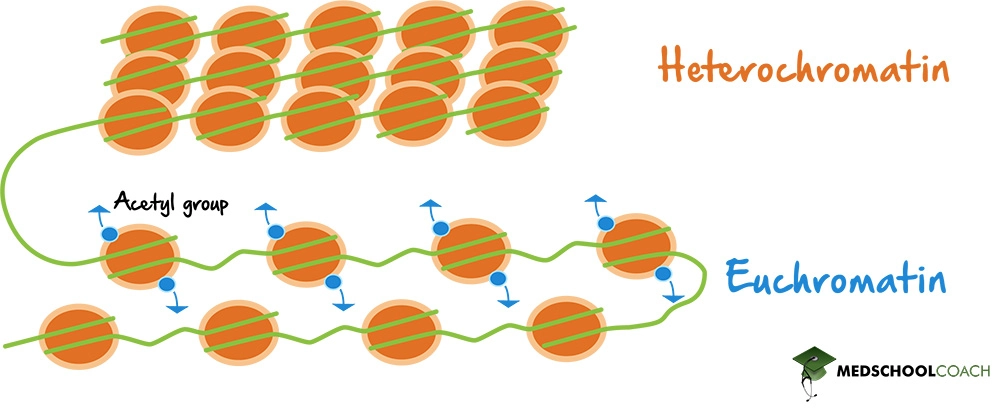
4. Chromatin Types: Euchromatin vs. Heterochromatin

Euchromatin:

  • Characteristics: Euchromatin is less densely packed and is associated with active gene transcription. It has a more open chromatin structure that allows access to the transcriptional machinery.
  • Role in Transcription: Euchromatin regions are generally rich in gene-dense areas and are frequently associated with active genes and regulatory elements.

Heterochromatin:

  • Characteristics: Heterochromatin is more compact and transcriptionally inactive. It can be classified into:
    • Constitutive Heterochromatin: Permanently compacted regions, such as centromeres and telomeres, involved in maintaining chromosome stability.
    • Facultative Heterochromatin: Can switch between an active and inactive state depending on cellular conditions. Examples include the X chromosome inactivation in females.

Reference: https://www.medschoolcoach.com/heterochromatin-vs-euchromatin-mcat-biology/

5. DNA Packaging in Prokaryotes

Nucleoid Region:

  • Organization: Prokaryotic DNA is organized in the nucleoid region, which lacks a defined membrane-bound nucleus. DNA is associated with various non-histone DNA-binding proteins.
  • Supercoiling: Prokaryotic DNA is typically negatively supercoiled, which introduces tension into the DNA, aiding in its compaction and playing a role in replication and transcription.

DNA Binding Proteins:

  • Structural Maintenance: Proteins such as HU (Histone like DNA binding proteins) and IHF (Integration host factors) help in organizing DNA into loops and domains within the nucleoid, affecting gene expression and DNA replication.


Reference: https://europepmc.org/article/med/32373086

6. Chromosome Condensation During Mitosis

Chromosome Structure:

  • Condensation: During cell division, chromatin undergoes further condensation to form distinct, visible chromosomes. This process is facilitated by condensin complexes, which help in the compaction of chromatin and ensure proper segregation of chromosomes.
  • Mitotic Chromosomes: The fully condensed mitotic chromosomes are highly compacted to ensure that DNA is accurately divided between daughter cells during mitosis.

Reference: https://f1000research.com/articles/5-1807

Functional Implications

Gene Regulation:

  • Transcriptional Control: DNA packaging affects the accessibility of genes for transcription. Modifications and higher-order structures can either promote or inhibit gene expression based on the cellular context.

Genomic Stability:

  • Chromosome Integrity: Proper DNA packaging is crucial for maintaining genomic stability. Errors in chromatin organization can lead to genomic instability and contribute to various diseases, including cancer.

Please, give your suggestions in comment section.

Follow our blogs for more updates and protocols: https://iammolecularbiologist.blogspot.com/ 

Follow us on WhatsApp: https://chat.whatsapp.com/I30OdffWlJhGABXsTmKo95

Read More
  • Share This:  
  •  WhatsApp
  •  Facebook
  •  Twitter
  •  Google+
  •  Stumble
  •  Digg

Thursday, August 1, 2024

Protein Chapter-4

 August 01, 2024     Molecular biology     No comments   

Protein Translocation

Overview of Protein Translocation

Protein translocation is a sophisticated and critical biological process involving the movement of proteins from their synthesis site to their specific destinations. It encompasses mechanisms like co-translational and post-translational translocation, and involves specialized molecular machines and signals.

2. Mechanisms of Protein Translocation

a. Co-translational Translocation

  1. Signal Sequence and SRP Recognition:

    • Signal Sequence: The signal sequence is an N-terminal peptide, often rich in hydrophobic residues, that directs the nascent polypeptide to the ER.
    • Signal Recognition Particle (SRP): SRP is a ribonucleoprotein complex consisting of an RNA component (SRP RNA) and six proteins (SRP54, SRP19, SRP68, SRP72, SRP9, SRP14). SRP54 binds to the signal sequence and the ribosome, pausing translation.
  2. SRP-Receptor Interaction:

    • Docking to ER Membrane: SRP binds to the SRP receptor (SR) on the ER membrane, which is composed of SRα and SRβ subunits. This interaction facilitates the transfer of the ribosome to the Sec61 translocon.
  3. Sec61 Translocon:

    • Structure: The Sec61 complex forms a protein-conducting channel in the ER membrane. It is composed of three main subunits (Sec61α, Sec61β, and Sec61γ) and associates with various auxiliary proteins such as TRAM (Translocon Associated Protein).
    • Function: The Sec61 channel opens to allow the polypeptide chain to enter the ER lumen. It also undergoes conformational changes to accommodate different stages of protein transport.
  4. Signal Peptide Cleavage and Protein Folding:

    • Signal Peptidase: The signal peptide is cleaved off by signal peptidase in the ER lumen. The mature protein then folds into its functional conformation with the aid of ER chaperones like BiP (Binding Immunoglobulin Protein), calnexin, and calreticulin.
  5. Quality Control:

    • ERAD (ER-Associated Degradation): Misfolded proteins are targeted for degradation by the ubiquitin-proteasome system. They are retro-translocated to the cytosol and tagged with ubiquitin for proteasomal degradation.
Reference: https://www.researchgate.net/figure/Schematic-representation-of-the-co-translational-translocation-of-a-polytopic-membrane_fig5_259675856

b. Post-Translational Translocation

  1. Mitochondrial Import:

    • Precursor Proteins: Mitochondrial proteins are synthesized with mitochondrial targeting sequences (MTS) that are recognized by the TOM (Translocase of the Outer Membrane) complex.
    • TOM Complex: TOM consists of multiple subunits, including TOM20 and TOM70 (receptors) and TOM40 (channel). It facilitates the initial import of precursor proteins into the intermembrane space.
    • TIM Complexes: TIM23 and TIM22 complexes mediate the translocation of proteins across the inner mitochondrial membrane. TIM23, in conjunction with the membrane potential, translocates proteins into the matrix, while TIM22 handles the insertion of proteins into the inner membrane.
Reference: https://www.researchgate.net/figure/Protein-translocation-a-Diagram-depicting-post-translational-translocation-into-the_fig2_343728797

  1. Nuclear Import:

    • Nuclear Localization Signal (NLS): Proteins destined for the nucleus contain NLS, which is recognized by importins. Importins are also known as karyopherins.
    • Nuclear Pore Complex (NPC): The NPC is a large structure composed of approximately 30 different nucleoporins (Nups). It forms a selective barrier that regulates the passage of proteins and RNAs between the nucleus and cytoplasm.
    • Importins and Ran Cycle: Importins bind to the NLS-containing cargo in the cytoplasm, transport it through the NPC, and release it in the nucleus. The GTPase Ran binds to importin in the nucleus, facilitating the release of the cargo and recycling of importins back to the cytoplasm.
  2. Chloroplast Import:

    • TOC Complex: The Translocon at the Outer Chloroplast membrane (TOC) complex consists of TOC75 (a channel-forming component) and TOC159/TOC33 (receptors).
    • TIC Complex: The Translocon at the Inner Chloroplast membrane (TIC) complex helps in the translocation of proteins across the inner membrane into the stroma. The TIC complex includes TIC110 and TIC40.


Reference: https://www.sciencedirect.com/science/article/pii/S0167488910000169

c. Vesicular Transport

  1. Vesicle Formation:

    • Coat Proteins: Vesicle formation involves coat proteins like clathrin (for transport between the Golgi and plasma membrane) and COPI/COPII (for ER-Golgi transport). Clathrin forms a triskelion shape and coats the vesicle, while COPI and COPII form coats on the cytoplasmic surface of the vesicle.
  2. Vesicle Transport:

    • Motor Proteins: Vesicles are transported along cytoskeletal tracks (microtubules) by motor proteins such as kinesins and dyneins. These motor proteins use ATP to move vesicles to their target membranes.
    • Anterograde transport refers to the movement of cargo from the endoplasmic reticulum (ER) towards the cell membrane or other destinations like the Golgi apparatus and lysosomes. This transport is essential for delivering newly synthesized proteins and lipids to their functional locations.
    • Retrograde transport involves the movement of cargo from the plasma membrane or Golgi back to the ER or other earlier compartments. This process is crucial for recycling components, retrieving misfolded proteins, and regulating cellular homeostasis.

Reference: https://www.researchgate.net/figure/Cytoplasmic-Dynein-and-Kinesin-Power-Axonal-Transport-Schematic-diagram-of-the_fig1_6784713

  1. Vesicle Fusion:

    • SNARE Proteins: The fusion of vesicles with target membranes is mediated by SNARE proteins. v-SNAREs (vesicle-SNAREs) on the vesicle and t-SNAREs (target-SNAREs) on the target membrane interact to facilitate membrane fusion and cargo release.
Reference: https://www.researchgate.net/figure/Basic-machinery-controlling-membrane-fusion-and-SNARE-recycling-SNAREs-and-tethers-are_fig3_51501699

3. Advanced Aspects of Protein Translocation

a. Signal Recognition and Integration:

  • Signal Sequences and Sorting Signals: Proteins contain various signal sequences and sorting signals that determine their final destination. The specificity of signal recognition by cellular machinery ensures correct protein localization.

b. Post-Translational Modifications:

  • Phosphorylation, Glycosylation, and Acetylation: These modifications can affect protein stability, localization, and function. For instance, phosphorylation of a nuclear localization signal can regulate nuclear import.

c. Diseases Related to Protein Translocation:

  • Alpha-1 Antitrypsin Deficiency: Caused by defective folding and translocation of the alpha-1 antitrypsin protein, leading to liver disease and lung damage.
  • Hereditary Spastic Paraplegia: Associated with mutations affecting protein import into mitochondria, resulting in neurodegenerative symptoms.

d. Experimental Techniques for Studying Protein Translocation:

  • Live-Cell Imaging: Techniques such as fluorescence recovery after photobleaching (FRAP) and fluorescence resonance energy transfer (FRET) help study dynamic aspects of protein localization and movement in real-time.
Reference: https://www.imperial.ac.uk/photonics/research/biophotonics/techniques/fluorescence-imaging-and-metrology/forster-resonant-energy-transfer-fret/

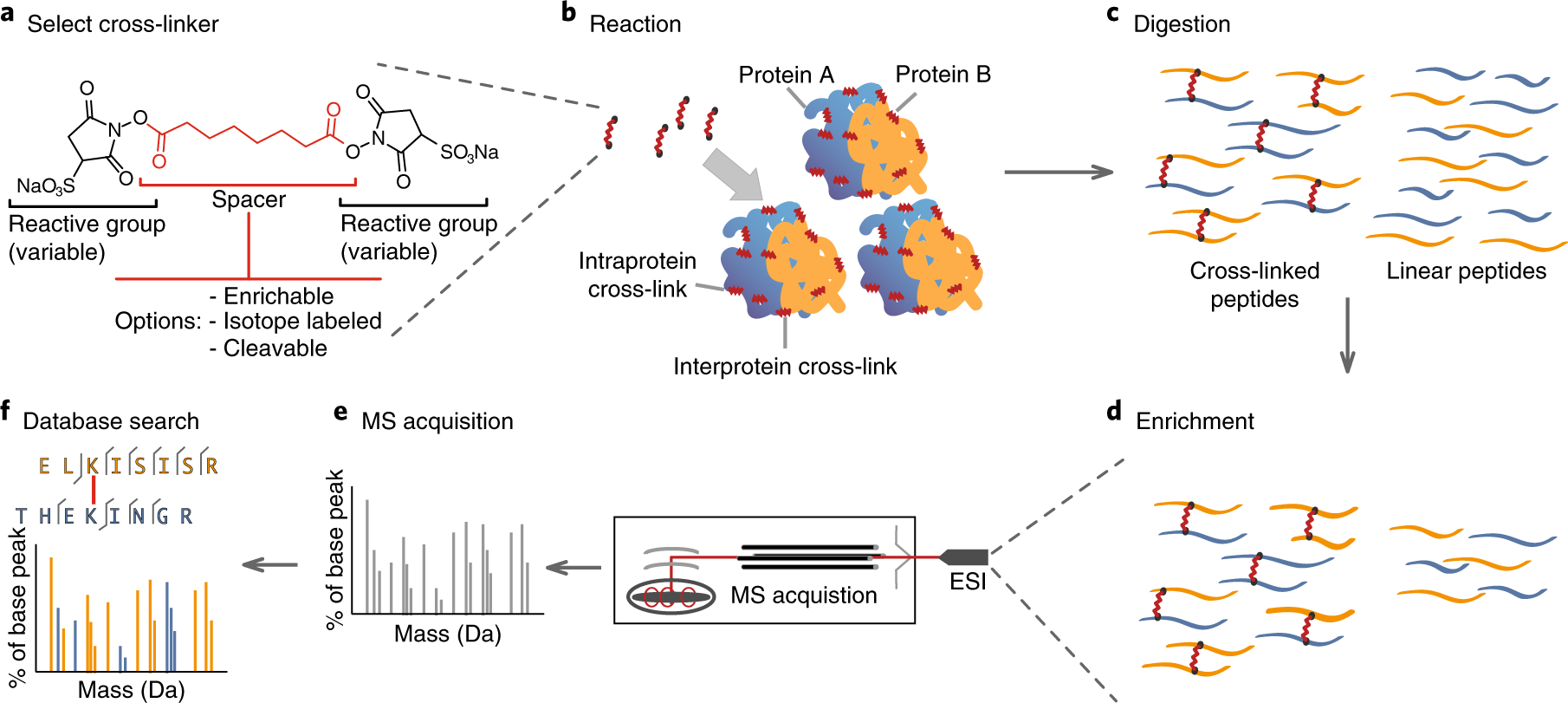
  • Cross-Linking and Mass Spectrometry: These methods are used to study protein-protein interactions and the identification of transient protein complexes involved in translocation.
Reference: https://www.nature.com/articles/s41594-018-0147-0


Please, give your suggetions in comment section.

Follow our blogs for more updates and protocols: https://iammolecularbiologist.blogspot.com/ 

Follow us on WhatsApp: https://chat.whatsapp.com/I30OdffWlJhGABXsTmKo95
Read More
  • Share This:  
  •  WhatsApp
  •  Facebook
  •  Twitter
  •  Google+
  •  Stumble
  •  Digg

Mock Test on DNA Repair

 August 01, 2024     Mock test     No comments   

Quiz Over!

Read More
  • Share This:  
  •  WhatsApp
  •  Facebook
  •  Twitter
  •  Google+
  •  Stumble
  •  Digg

Monday, July 29, 2024

Structure and Function of RNA MCQ

 July 29, 2024     MCQ     No comments   


  1. Which of the following is NOT a type of RNA?

    • A) mRNA
    • B) tRNA
    • C) rRNA
    • D) dRNA
    • Answer: D
  2. What is the primary function of mRNA?

    • A) Transporting amino acids
    • B) Carrying genetic information from DNA to the ribosome
    • C) Catalyzing chemical reactions
    • D) Forming the structural components of ribosomes
    • Answer: B
  3. tRNA molecules are responsible for:

    • A) Synthesizing RNA
    • B) Bringing amino acids to the ribosome
    • C) Storing genetic information
    • D) Catalyzing peptide bond formation
    • Answer: B
  4. Which base is not found in RNA?

    • A) Adenine
    • B) Thymine
    • C) Cytosine
    • D) Uracil
    • Answer: B
  5. What sugar is found in RNA?

    • A) Ribose
    • B) Deoxyribose
    • C) Glucose
    • D) Fructose
    • Answer: A
  6. In RNA, adenine pairs with:

    • A) Thymine
    • B) Cytosine
    • C) Guanine
    • D) Uracil
    • Answer: D
  7. The backbone of an RNA molecule consists of:

    • A) Nucleotide bases only
    • B) Ribose and phosphate groups
    • C) Amino acids
    • D) Deoxyribose and phosphate groups
    • Answer: B
  8. Which of the following statements about RNA is TRUE?

    • A) RNA is double-stranded
    • B) RNA contains the sugar deoxyribose
    • C) RNA contains uracil instead of thymine
    • D) RNA is more stable than DNA
    • Answer: C
  9. The enzyme that synthesizes RNA from a DNA template is:

    • A) DNA polymerase
    • B) RNA polymerase
    • C) Reverse transcriptase
    • D) Ligase
    • Answer: B
  10. Ribosomal RNA (rRNA) is a component of:

    • A) Ribosomes
    • B) Mitochondria
    • C) Lysosomes
    • D) Golgi apparatus
    • Answer: A

Transcription

  1. Transcription is the process of:

    • A) Replicating DNA
    • B) Synthesizing RNA from a DNA template
    • C) Translating RNA into protein
    • D) Splicing RNA
    • Answer: B
  2. The promoter region is:

    • A) A sequence where transcription begins
    • B) A sequence where translation begins
    • C) A sequence that codes for proteins
    • D) A sequence that signals the end of transcription
    • Answer: A
  3. Which of the following is required for transcription initiation in eukaryotes?

    • A) RNA polymerase
    • B) Transcription factors
    • C) Promoter region
    • D) All of the above
    • Answer: D
  4. The TATA box is:

    • A) A type of ribosome
    • B) A sequence in the promoter region
    • C) An enzyme
    • D) A sequence in the terminator region
    • Answer: B
  5. In eukaryotes, transcription occurs in the:

    • A) Cytoplasm
    • B) Nucleus
    • C) Ribosomes
    • D) Mitochondria
    • Answer: B
  6. The strand of DNA that is used as a template for RNA synthesis is called the:

    • A) Coding strand
    • B) Template strand
    • C) Leading strand
    • D) Lagging strand
    • Answer: B
  7. In prokaryotes, the sigma factor is important for:

    • A) RNA splicing
    • B) DNA replication
    • C) Transcription initiation
    • D) Protein synthesis
    • Answer: C
  8. Termination of transcription in prokaryotes often involves:

    • A) A stop codon
    • B) A rho factor
    • C) A start codon
    • D) RNA polymerase binding
    • Answer: B
  9. Splicing of pre-mRNA involves:

    • A) Removal of introns
    • B) Addition of a 5' cap
    • C) Addition of a poly-A tail
    • D) All of the above
    • Answer: D
  10. Which of the following modifications occur at the 3' end of eukaryotic mRNA?

    • A) 5' capping
    • B) Polyadenylation
    • C) Splicing
    • D) Methylation
    • Answer: B

RNA Function

  1. The function of rRNA is to:

    • A) Transfer amino acids
    • B) Encode genetic information
    • C) Catalyze peptide bond formation
    • D) Regulate gene expression
    • Answer: C
  2. Small nuclear RNA (snRNA) is involved in:

    • A) Protein synthesis
    • B) DNA replication
    • C) RNA splicing
    • D) RNA degradation
    • Answer: C
  3. MicroRNAs (miRNAs) function primarily by:

    • A) Catalyzing metabolic reactions
    • B) Regulating gene expression
    • C) Synthesizing DNA
    • D) Repairing DNA
    • Answer: B
  4. Which type of RNA carries amino acids to the ribosome during translation?

    • A) mRNA
    • B) tRNA
    • C) rRNA
    • D) miRNA
    • Answer: B
  5. The anticodon is a feature of:

    • A) mRNA
    • B) tRNA
    • C) rRNA
    • D) snRNA
    • Answer: B
  6. Ribozymes are:

    • A) Proteins that catalyze RNA splicing
    • B) RNA molecules that act as enzymes
    • C) DNA molecules that act as enzymes
    • D) Proteins that synthesize RNA
    • Answer: B
  7. The wobble hypothesis is associated with:

    • A) mRNA stability
    • B) tRNA anticodon flexibility
    • C) rRNA structure
    • D) DNA replication
    • Answer: B
  8. Which of the following is a function of RNA interference (RNAi)?

    • A) DNA replication
    • B) Transcription initiation
    • C) Gene silencing
    • D) Protein synthesis
    • Answer: C
  9. Long non-coding RNAs (lncRNAs) are involved in:

    • A) Coding for proteins
    • B) Regulating gene expression
    • C) DNA replication
    • D) Translation
    • Answer: B
  10. Which RNA type is most directly involved in translation?

    • A) mRNA
    • B) tRNA
    • C) rRNA
    • D) All of the above
    • Answer: D

Advanced RNA Topics

  1. RNA editing can result in:

    • A) Changes in the RNA sequence after transcription
    • B) Changes in the DNA sequence
    • C) Protein degradation
    • D) RNA splicing
    • Answer: A
  2. The poly-A tail of mRNA:

    • A) Is added during transcription
    • B) Is important for mRNA stability
    • C) Helps initiate translation
    • D) Is found in tRNA
    • Answer: B
  3. Which of the following processes involves RNA-dependent RNA polymerase?

    • A) Transcription
    • B) RNA interference
    • C) Reverse transcription
    • D) DNA replication
    • Answer: B
  4. Which molecule is required for the initiation of transcription in prokaryotes?

    • A) RNA polymerase II
    • B) DNA polymerase
    • C) Sigma factor
    • D) Helicase
    • Answer: C
  5. Which of the following RNA types has the longest average lifespan in eukaryotic cells?

    • A) mRNA
    • B) tRNA
    • C) rRNA
    • D) miRNA
    • Answer: C
  6. RNA secondary structure is primarily determined by:

    • A) Base sequence
    • B) Protein interactions
    • C) Temperature
    • D) Intracellular location
    • Answer: A
  7. RNA molecules can form complex secondary structures such as:

    • A) Alpha helices
    • B) Beta sheets
    • C) Hairpins and loops
    • D) Z-DNA
    • Answer: C
  8. The Shine-Dalgarno sequence is found in:

    • A) Eukaryotic mRNA
    • B) Prokaryotic mRNA
    • C) tRNA
    • D) rRNA
    • Answer: B
  9. Which enzyme is responsible for adding the poly-A tail to mRNA?

    • A) RNA polymerase
    • B) Poly-A polymerase
    • C) DNA polymerase
    • D) Helicase
    • Answer: B
  10. Which of the following is NOT a component of the eukaryotic transcription initiation complex?

    • A) RNA polymerase II
    • B) TATA-binding protein (TBP)
    • C) Sigma factor
    • D) Transcription factors
    • Answer: C

RNA Processing and Post-Transcriptional Modifications

  1. The 5' cap added to eukaryotic mRNA is important for:

    • A) mRNA stability
    • B) Initiation of translation
    • C) Export from the nucleus
    • D) All of the above
    • Answer: D
  2. Alternative splicing allows for:

    • A) The production of multiple proteins from a single gene
    • B) Increased mRNA stability
    • C) Enhanced DNA replication
    • D) Gene silencing
    • Answer: A
  3. Which process removes introns from pre-mRNA?

    • A) Transcription
    • B) Splicing
    • C) Translation
    • D) Replication
    • Answer: B
  4. The branch point sequence is important for:

    • A) Transcription termination
    • B) Splicing of introns
    • C) Translation initiation
    • D) DNA replication
    • Answer: B
  5. What is the role of small nuclear ribonucleoproteins (snRNPs) in RNA processing?

    • A) They degrade mRNA
    • B) They assist in splicing of pre-mRNA
    • C) They synthesize RNA
    • D) They add the 5' cap to mRNA
    • Answer: B
  6. RNA editing can change a codon for one amino acid to a codon for another by:

    • A) Substituting one nucleotide for another
    • B) Deleting nucleotides
    • C) Adding nucleotides
    • D) Splicing out exons
    • Answer: A
  7. During RNA interference, which molecules guide the degradation of target mRNA?

    • A) Ribozymes
    • B) siRNAs
    • C) tRNAs
    • D) rRNAs
    • Answer: B
  8. RNA polymerase II is primarily responsible for transcribing:

    • A) rRNA genes
    • B) tRNA genes
    • C) mRNA genes
    • D) miRNA genes
    • Answer: C
  9. Which RNA modification is unique to eukaryotes and not found in prokaryotes?

    • A) Splicing of introns
    • B) Addition of a 5' cap
    • C) Polyadenylation of mRNA
    • D) All of the above
    • Answer: D
  10. Which structure is essential for the translation of mRNA in prokaryotes?

    • A) 5' cap
    • B) Poly-A tail
    • C) Shine-Dalgarno sequence
    • D) Spliceosome
    • Answer: C

Translation and Ribosomes

  1. Translation is the process of:

    • A) Synthesizing RNA from a DNA template
    • B) Synthesizing DNA from an RNA template
    • C) Synthesizing proteins from an mRNA template
    • D) Synthesizing mRNA from a protein template
    • Answer: C
  2. The start codon for translation is:

    • A) UAA
    • B) AUG
    • C) UGA
    • D) UAG
    • Answer: B
  3. Ribosomes are composed of:

    • A) DNA and proteins
    • B) RNA and DNA
    • C) RNA and proteins
    • D) Proteins only
    • Answer: C
  4. The large subunit of the ribosome is responsible for:

    • A) mRNA binding
    • B) tRNA binding
    • C) Catalyzing peptide bond formation
    • D) Transcription initiation
    • Answer: C
  5. Which site on the ribosome does the initiator tRNA bind to?

    • A) A site
    • B) P site
    • C) E site
    • D) Z site
    • Answer: B
  6. The function of the A site on the ribosome is to:

    • A) Bind the tRNA carrying the growing polypeptide chain
    • B) Bind the tRNA carrying the next amino acid to be added
    • C) Release the uncharged tRNA
    • D) Bind the mRNA
    • Answer: B
  7. Which molecule is responsible for bringing amino acids to the ribosome?

    • A) mRNA
    • B) tRNA
    • C) rRNA
    • D) DNA
    • Answer: B
  8. Peptidyl transferase activity is a function of:

    • A) tRNA
    • B) mRNA
    • C) rRNA
    • D) DNA
    • Answer: C
  9. The termination of translation occurs when:

    • A) A stop codon is reached
    • B) The ribosome reaches the end of the mRNA
    • C) The ribosome binds to the Shine-Dalgarno sequence
    • D) A start codon is reached
    • Answer: A
  10. Polysomes are:

    • A) Single ribosomes bound to multiple mRNA molecules
    • B) Multiple ribosomes bound to a single mRNA molecule
    • C) Single mRNA molecules bound to multiple ribosomes
    • D) Multiple mRNA molecules bound to a single ribosome
    • Answer: B

RNA Regulation and Degradation

  1. Gene expression can be regulated at the level of:

    • A) Transcription
    • B) RNA processing
    • C) Translation
    • D) All of the above
    • Answer: D
  2. Which type of RNA is involved in gene silencing and regulation?

    • A) mRNA
    • B) tRNA
    • C) miRNA
    • D) rRNA
    • Answer: C
  3. RNA stability is often controlled by:

    • A) 5' cap
    • B) Poly-A tail
    • C) RNA-binding proteins
    • D) All of the above
    • Answer: D
  4. The degradation of mRNA involves:

    • A) Removal of the 5' cap
    • B) Removal of the poly-A tail
    • C) Endonucleolytic cleavage
    • D) All of the above
    • Answer: D
  5. Which enzyme is involved in the degradation of mRNA?

    • A) RNA polymerase
    • B) Ribonuclease
    • C) DNA polymerase
    • D) Helicase
    • Answer: B
  6. Which molecule plays a key role in RNA interference (RNAi)?

    • A) mRNA
    • B) siRNA
    • C) rRNA
    • D) tRNA
    • Answer: B
  7. The function of Dicer in RNA interference is to:

    • A) Degrade target mRNA
    • B) Cleave double-stranded RNA into siRNAs
    • C) Synthesize RNA
    • D) Export mRNA from the nucleus
    • Answer: B
  8. Argonaute proteins are essential components of the:

    • A) Spliceosome
    • B) Ribosome
    • C) RNA-induced silencing complex (RISC)
    • D) DNA replication machinery
    • Answer: C
  9. Which process converts pre-mRNA into mature mRNA?

    • A) Transcription
    • B) Splicing
    • C) Translation
    • D) Replication
    • Answer: B
  10. RNA editing can involve:

    • A) Deletion of nucleotides
    • B) Insertion of nucleotides
    • C) Substitution of nucleotides
    • D) All of the above
    • Answer: D

RNA Technologies and Applications

  1. Reverse transcription is the process of:

    • A) Synthesizing RNA from a DNA template
    • B) Synthesizing DNA from an RNA template
    • C) Synthesizing proteins from an mRNA template
    • D) Synthesizing RNA from an RNA template
    • Answer: B
  2. Which enzyme synthesizes DNA from an RNA template?

    • A) RNA polymerase
    • B) DNA polymerase
    • C) Reverse transcriptase
    • D) Helicase
    • Answer: C
  3. cDNA is:

    • A) Complementary DNA synthesized from an mRNA template
    • B) Circular DNA found in bacteria
    • C) DNA that encodes for ribosomal RNA
    • D) DNA that is transcribed into tRNA
    • Answer: A
  4. Which technique can be used to measure RNA levels in a sample?

    • A) PCR
    • B) RT-PCR
    • C) DNA sequencing
    • D) Western blotting
    • Answer: B
  5. Northern blotting is used to:

    • A) Detect DNA
    • B) Detect RNA
    • C) Detect proteins
    • D) Detect lipids
    • Answer: B
  6. RNA-seq is a technology used for:

    • A) Sequencing DNA
    • B) Sequencing RNA
    • C) Amplifying DNA
    • D) Amplifying RNA
    • Answer: B
  7. Which method can be used to silence specific genes in a cell?

    • A) Gene knockout
    • B) RNA interference (RNAi)
    • C) CRISPR-Cas9
    • D) All of the above
    • Answer: D
  8. CRISPR technology can be used for:

    • A) Gene editing
    • B) Gene silencing
    • C) Gene activation
    • D) All of the above
    • Answer: D
  9. Which of the following is a tool for introducing mutations into RNA?

    • A) Site-directed mutagenesis
    • B) RNA editing
    • C) RNA interference
    • D) Reverse transcription
    • Answer: B
  10. RNA aptamers are:

    • A) DNA molecules that bind specific targets
    • B) RNA molecules that bind specific targets
    • C) Proteins that bind specific RNA molecules
    • D) Enzymes that degrade RNA
    • Answer: B

Clinical and Experimental Applications of RNA

  1. mRNA vaccines, such as those for COVID-19, work by:

    • A) Delivering a live virus to stimulate an immune response
    • B) Delivering mRNA that encodes a viral protein
    • C) Delivering DNA that encodes a viral protein
    • D) Delivering antibodies against the virus
    • Answer: B
  2. RNA therapeutics can be used to:

    • A) Replace defective genes
    • B) Silence disease-causing genes
    • C) Enhance immune responses
    • D) All of the above
    • Answer: D
  3. Which type of RNA is often used as a biomarker for disease?

    • A) mRNA
    • B) miRNA
    • C) tRNA
    • D) rRNA
    • Answer: B
  4. Antisense RNA therapy works by:

    • A) Encoding for therapeutic proteins
    • B) Complementing and binding to specific mRNA to block translation
    • C) Enhancing mRNA stability
    • D) Catalyzing RNA synthesis
    • Answer: B
  5. RNA molecules that can fold into complex three-dimensional structures are:

    • A) Only found in prokaryotes
    • B) Called ribozymes
    • C) Only found in eukaryotes
    • D) Incapable of catalytic activity
    • Answer: B
  6. Which of the following is a limitation of RNA-based therapeutics?

    • A) Low specificity
    • B) High stability in the body
    • C) Potential for rapid degradation
    • D) None of the above
    • Answer: C
  7. RNA-binding proteins play a critical role in:

    • A) DNA replication
    • B) RNA splicing
    • C) Translation initiation
    • D) All of the above
    • Answer: D
  8. Which RNA virus is known for causing the flu?

    • A) HIV
    • B) Influenza virus
    • C) Hepatitis B virus
    • D) Epstein-Barr virus
    • Answer: B
  9. RNA interference (RNAi) has been used to:

    • A) Study gene function
    • B) Develop therapeutics
    • C) Engineer crops with desirable traits
    • D) All of the above
    • Answer: D
  10. In situ hybridization (ISH) is used to:

    • A) Measure protein levels
    • B) Detect specific RNA sequences within tissues
    • C) Sequence RNA
    • D) Clone genes
    • Answer: B
  11. RNA viruses replicate by:

    • A) Using the host's DNA polymerase
    • B) Using their own RNA-dependent RNA polymerase
    • C) Integrating into the host's genome
    • D) Using the host's ribosomes to make RNA
    • Answer: B
  12. Which of the following is NOT an RNA virus?

    • A) HIV
    • B) Influenza virus
    • C) Hepatitis C virus
    • D) Hepatitis B virus
    • Answer: D
  13. Which enzyme transcribes HIV’s RNA genome into DNA?

    • A) RNA polymerase
    • B) DNA polymerase
    • C) Reverse transcriptase
    • D) Helicase
    • Answer: C
  14. RNA splicing occurs in:

    • A) The cytoplasm
    • B) The nucleus
    • C) The ribosome
    • D) The mitochondria
    • Answer: B
  15. The Central Dogma of molecular biology describes:

    • A) DNA to RNA to protein
    • B) RNA to DNA to protein
    • C) Protein to RNA to DNA
    • D) DNA to protein to RNA
    • Answer: A
  16. The coding sequence of a gene is typically found in:

    • A) Exons
    • B) Introns
    • C) Promoters
    • D) Enhancers
    • Answer: A
  17. The small interfering RNAs (siRNAs) are involved in:

    • A) Protein synthesis
    • B) Gene silencing
    • C) DNA replication
    • D) RNA splicing
    • Answer: B
  18. RNA molecules that have regulatory functions without coding for proteins are known as:

    • A) rRNA
    • B) tRNA
    • C) ncRNA
    • D) snRNA
    • Answer: C
  19. Which RNA modification enhances mRNA translation efficiency in eukaryotes?

    • A) Splicing
    • B) Addition of a 5' cap
    • C) Polyadenylation
    • D) Methylation
    • Answer: B
  20. Which of the following is an example of a ribonucleoprotein complex? 

    • A) DNA polymerase 
    • B) RNA polymerase 
    • C) Spliceosome 
    • D) Ribosome 
    • Answer: D

Read More
  • Share This:  
  •  WhatsApp
  •  Facebook
  •  Twitter
  •  Google+
  •  Stumble
  •  Digg

Mock Test on Protein structure

 July 29, 2024     Mock test     No comments   

Quiz Over!

Read More
  • Share This:  
  •  WhatsApp
  •  Facebook
  •  Twitter
  •  Google+
  •  Stumble
  •  Digg

RNA (Ribonucleic acid) Chapter-3

 July 29, 2024     Molecular biology     No comments   

RNA Splicing

1. Introduction to RNA Splicing

  • Definition: RNA splicing is a post-transcriptional modification process in eukaryotes where introns (non-coding regions) are removed from a pre-messenger RNA (pre-mRNA) transcript and exons (coding regions) are joined together to produce a mature mRNA molecule. This mature mRNA can then be translated into a protein.

  • RNA splicing is a fundamental cellular process in eukaryotes that transforms primary RNA transcripts into functional messenger RNAs (mRNAs). This process is essential for gene expression, allowing cells to produce a wide variety of proteins from a single gene through the selective removal of non-coding sequences and the joining of coding sequences.

  • Importance: Essential for the production of functional mRNA that can be translated into protein. It also allows for the generation of multiple protein isoforms from a single gene through alternative splicing.

2. Components Involved in Splicing

a. Pre-mRNA:

  • Introns: Intervening sequences that are transcribed but not translated. They often contain regulatory elements and can range in size from a few nucleotides to several kilobases.
  • Exons: Coding sequences that are retained in the mature mRNA. They are the segments that are expressed as proteins.

b. Splice Sites:

  • 5' Splice Site (Donor Site): Typically has a conserved GU sequence at the 5' end of the intron.
  • 3' Splice Site (Acceptor Site): Typically has a conserved AG sequence at the 3' end of the intron, often preceded by a pyrimidine-rich tract known as the polypyrimidine tract.
  • Branch Point: Located within the intron, usually 18-40 nucleotides upstream of the 3' splice site, and characterized by a conserved adenine residue that plays a crucial role in the splicing reaction.

c. Spliceosome:

  • Definition: A large, multi-component molecular machine composed of small nuclear ribonucleoproteins (snRNPs) and numerous associated proteins that carry out splicing.
  • Major snRNPs:
    • U1 snRNP: Recognizes and binds to the 5' splice site.
    • U2 snRNP: Binds to the branch point, creating a branch point complex.
    • U4/U6 snRNPs: Form a complex that stabilizes the spliceosome and assists in the catalytic steps.
    • U5 snRNP: Brings the 5' and 3' splice sites together and facilitates exon ligation.

3. Splicing Mechanism

a. Spliceosome Assembly:

  1. Initial Recognition:

    • U1 snRNP binds to the 5' splice site of the intron, establishing the early complex.
    • U2 snRNP binds to the branch point sequence, causing a conformational change that positions the branch point adenine for the first catalytic step.
  2. Complex Formation:

    • U4/U6 and U5 snRNPs join to form the mature spliceosome, which undergoes a series of conformational changes to become catalytically active.

b. Splicing Reaction:

  1. First Transesterification Reaction:
    • The 2' hydroxyl group of the branch point adenine attacks the 5' splice site, forming a lariat structure and producing a free 5' exon.
  2. Second Transesterification Reaction:
    • The 3' hydroxyl group of the 5' exon attacks the 3' splice site, leading to the ligation of the exons and release of the intron lariat.
Reference: https://www.researchgate.net 

c. Post-Splicing:

  • The lariat intron is debranched and degraded by cellular exonucleases and debranching enzymes.

4. Alternative Splicing

Definition: A process that allows a single gene to generate multiple mRNA isoforms by including or excluding specific exons or introns.

Types:

  • Exon Skipping: Exons are selectively excluded from the final mRNA, resulting in different protein variants.
  • Mutually Exclusive Exons: Only one of a pair or group of exons is included in the final mRNA, providing protein diversity.
  • Intron Retention: Retaining some introns in the mature mRNA can alter protein function or regulation.
  • Alternative 5' or 3' Splice Sites: Variation in splice site usage results in different mRNA isoforms.
Reference: https://en.wikipedia.org/wiki/Alternative_splicing

Significance: Increases proteomic diversity and allows cells to adapt to different developmental stages or environmental conditions.

5. Regulation of Splicing

a. Splicing Factors:

  • Splicing Activators:
    • SR Proteins (Serine/Arginine-rich proteins): Bind to exonic splicing enhancers (ESEs) and promote the inclusion of exons.
  • Splicing Repressors:
    • hnRNPs (Heterogeneous Nuclear Ribonucleoproteins): Bind to exonic splicing silencers (ESSs) and inhibit splicing.
Reference: https://www.mdpi.com/2073-4425/13/9/1659

b. Regulatory Sequences:

  • Exonic Splicing Enhancers (ESEs): Sequences within exons that enhance splicing by recruiting splicing activators.
  • Exonic Splicing Silencers (ESSs): Sequences within exons that inhibit splicing by recruiting splicing repressors.

c. Cellular Context:

  • Splicing is regulated by cell-type-specific splicing factors, cellular signals, and developmental cues. Splicing can be modulated in response to stress, signaling pathways, and developmental stages.

6. Clinical Implications

a. Splicing Mutations:

  • Cancer: Aberrant splicing can lead to the production of oncoproteins or loss of tumor suppressor proteins, contributing to cancer progression.
  • Genetic Disorders: Splicing mutations can cause diseases such as:
    • Spinal Muscular Atrophy (SMA): Caused by mutations affecting the SMN1 gene splicing.
    • Thalassemia: Caused by mutations that disrupt the splicing of β-globin mRNA.

b. Therapeutic Approaches:

  • Antisense Oligonucleotides (ASOs): Target specific splice sites to correct splicing defects in genetic disorders (e.g., nusinersen for SMA).
  • Small Molecules: Modulate splicing by interacting with splicing factors or the spliceosome (e.g., drugs targeting spliceosomal components in cancer).

7. Techniques and Tools

a. RNA Sequencing (RNA-seq):

  • Purpose: Provides a comprehensive view of transcriptome expression, including splicing patterns and alternative splicing events.
  • Applications: Used for gene expression analysis, discovery of novel splicing events, and understanding splicing regulation.

b. Splicing Reporter Assays:

  • Purpose: Assess the impact of specific splicing elements, mutations, or treatments on splicing efficiency and accuracy.

c. Computational Tools:

  • Splicing Prediction Algorithms: Tools like SpliceSiteFinder, MaxEntScan, and other bioinformatics software predict splice sites and potential alternative splicing events based on sequence data

Please, give your suggetions in comment section.

Follow our blogs for more updates and protocols: https://iammolecularbiologist.blogspot.com/ 

Follow us on WhatsApp: https://chat.whatsapp.com/I30OdffWlJhGABXsTmKo95
Read More
  • Share This:  
  •  WhatsApp
  •  Facebook
  •  Twitter
  •  Google+
  •  Stumble
  •  Digg
Newer Posts Older Posts Home

Followers

Popular Posts

  • Basic Molecular Biology chapter -3
    Principles of gene regulation: Introduction to Gene Regulation Gene regulation is a critical process by which cells control the expression o...
  • Protein Chapter-1
    1. Introduction to Proteins Definition : Proteins are macromolecules consisting of one or more long chains of amino acid residues. Structure...
  • DNA (Deoxyribonucleic Acid) Chapter-5
    DNA Replication 1.  Detailed Process of DNA Replication DNA replication is the process by which a cell duplicates its DNA, ensuring that eac...
  • DNA (Deoxyribonucleic Acid) Chapter-7
      DNA Packaging:  DNA packaging is a highly regulated process that enables the compaction of genetic material to fit within the confines of ...

Categories

  • Biochemistry
  • MCQ
  • Mock test
  • Molecular biology
  • Molecular biology technology
  • Science

Blog Archive

  • ▼  2024 (30)
    • ▼  December (1)
      • Basic Molecular Biology chapter -3
    • ►  August (3)
      • DNA (Deoxyribonucleic Acid) Chapter-7
      • Protein Chapter-4
      • Mock Test on DNA Repair
    • ►  July (26)
      • Structure and Function of RNA MCQ
      • Mock Test on Protein structure
      • RNA (Ribonucleic acid) Chapter-3
  • ►  2022 (3)
    • ►  January (3)

Tags

Biochemistry MCQ Mock test Molecular biology Molecular biology technology Science

Featured post

Basic Molecular Biology chapter -3

Principles of gene regulation: Introduction to Gene Regulation Gene regulation is a critical process by which cells control the expression o...

Popular Posts

  • Basic Molecular Biology chapter -3
    Principles of gene regulation: Introduction to Gene Regulation Gene regulation is a critical process by which cells control the expression o...
  • Protein Chapter-1
    1. Introduction to Proteins Definition : Proteins are macromolecules consisting of one or more long chains of amino acid residues. Structure...
  • Home

Copyright © Molecular biology | Powered by Blogger
Design by Hardeep Asrani | Blogger Theme by NewBloggerThemes.com | Distributed By Gooyaabi Templates