
Function of DNA:
DNA, or deoxyribonucleic acid, is a molecule that carries the genetic instructions for the development, functioning, growth, and reproduction of all known living organisms and many viruses. Here are the key functions of DNA:
1. Genetic Information Storage
- Genetic Blueprint: DNA stores genetic information in the sequence of its nucleotides (adenine, thymine, cytosine, and guanine). This sequence determines the genetic instructions used in the development and functioning of all living organisms.
- Gene Encoding: Specific sequences of DNA, called genes, encode instructions to make proteins, which carry out various functions in the body.
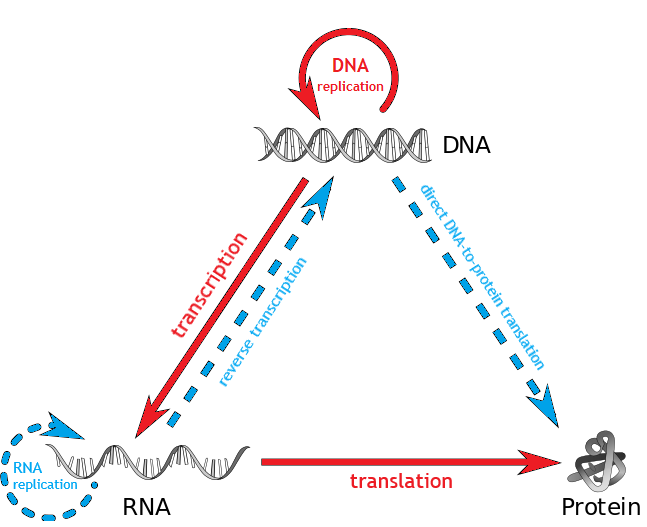
2. Replication
- Cell Division: During cell division, DNA replicates to ensure that each new cell receives an exact copy of the DNA. This process is essential for growth, development, and tissue repair.
- Semi-conservative Replication: DNA replication is semi-conservative, meaning each new DNA molecule consists of one original strand and one newly synthesized strand.
3. Transcription and Translation
- Transcription: DNA serves as a template for the synthesis of messenger RNA (mRNA) in a process called transcription. mRNA carries the genetic information from the DNA in the nucleus to the ribosomes in the cytoplasm, where proteins are made.
- Translation: Ribosomes read the mRNA sequence and translate it into a specific sequence of amino acids to form a protein. This process is called translation.
4. Heredity
- Inheritance: DNA is passed from parents to offspring during reproduction, ensuring the transmission of genetic traits from one generation to the next.
- Variation: Genetic recombination and mutations during DNA replication contribute to genetic diversity, which is important for evolution and adaptation.
5. Regulation of Cellular Activities
- Gene Expression Regulation: DNA contains regulatory sequences that control the expression of genes. These sequences ensure that genes are turned on or off as needed, allowing cells to respond to changes in their environment and perform their specialized functions.
- Epigenetic Modifications: Chemical modifications to DNA and histone proteins can regulate gene expression without changing the DNA sequence. These epigenetic changes play a crucial role in development, disease, and adaptation.
6. Evolution
- Mutation and Natural Selection: Changes in DNA sequences (mutations) can lead to variations in traits. Over time, natural selection acts on these variations, driving the evolution of species.
- Phylogenetic Relationships: Comparing DNA sequences between different organisms helps scientists understand evolutionary relationships and trace the lineage of species.
In summary, DNA is fundamental to life, serving as the repository of genetic information, facilitating reproduction, regulating cellular functions, and driving evolution.
Please, write your suggetions in comment
section.
Follow our blogs for more updates and
protocols: https://iammolecularbiologist.blogspot.com/
Follow us on WhatsApp: https://chat.whatsapp.com/I30OdffWlJhGABXsTmKo95


0 Comments:
Post a Comment