
Protein Function
Proteins are fundamental macromolecules composed of one or more long chains of amino acids. They are crucial for virtually all biological processes and serve a myriad of functions within cells and organisms. Each protein's function is determined by its unique sequence of amino acids and the specific three-dimensional structure it adopts. Here’s a breakdown of the major functional categories of proteins:
Enzymatic Function: Proteins that act as enzymes facilitate biochemical reactions, increasing the rate at which reactions occur without being consumed in the process.
Structural Support: Proteins provide physical support and shape to cells and tissues, contributing to the organization and integrity of biological structures.
Transport: Proteins are involved in the movement of molecules across cell membranes and throughout the body, including the transport of gases, nutrients, and other essential substances.
Signaling: Proteins play a key role in cellular communication, transmitting signals between cells and coordinating physiological processes through signaling pathways.
Immune Response: Proteins are essential components of the immune system, defending the body against pathogens and foreign substances.
Movement: Proteins are involved in cellular and organismal movement, including muscle contraction and intracellular transport.
Storage: Proteins can store vital nutrients and energy sources for later use, playing a role in metabolism and homeostasis.
Regulation: Proteins regulate various cellular processes, including gene expression and cell cycle progression, ensuring proper function and adaptation to environmental changes.
Cell Recognition and Adhesion: Proteins mediate interactions between cells and between cells and their surroundings, facilitating tissue formation and communication.
Detailed Overview of Protein Functions
1. Enzymatic Function
Catalysts: Enzymes are specialized proteins that accelerate chemical reactions in the cell. They work by lowering the activation energy required for a reaction to proceed. The active site of an enzyme binds to the substrate, forming an enzyme-substrate complex. This interaction facilitates the conversion of substrates into products. For example, catalase breaks down hydrogen peroxide into water and oxygen, while lactase hydrolyzes lactose into glucose and galactose.
Regulation: Enzyme activity is finely tuned through mechanisms such as allosteric regulation, where molecules bind to sites other than the active site to modulate activity. Covalent modification, such as phosphorylation or acetylation, also affects enzyme function. Feedback inhibition occurs when the end product of a metabolic pathway inhibits an enzyme involved earlier in the pathway to prevent overproduction.
:max_bytes(150000):strip_icc():format(webp)/what-is-enzyme-structure-and-function-375555_FINAL-5a5a32ff18a24e13a6b985a7b64a34a4.png)
2. Structural Support
Cytoskeleton: The cytoskeleton consists of protein filaments and tubules that provide structural support and shape to the cell. Key components include actin filaments, which form microfilaments that support cell shape and movement, and tubulin microtubules, which maintain cell shape, facilitate intracellular transport, and are involved in cell division.
Extracellular Matrix: The extracellular matrix (ECM) includes structural proteins like collagen and elastin. Collagen forms a fibrous network that provides tensile strength to tissues, while elastin imparts elasticity, allowing tissues to stretch and return to their original shape.
Molecular Transport: Proteins such as hemoglobin transport oxygen from the lungs to tissues and facilitate carbon dioxide transport from tissues back to the lungs. Hemoglobin’s quaternary structure (composed of four subunits) allows for cooperative binding of oxygen, increasing efficiency.
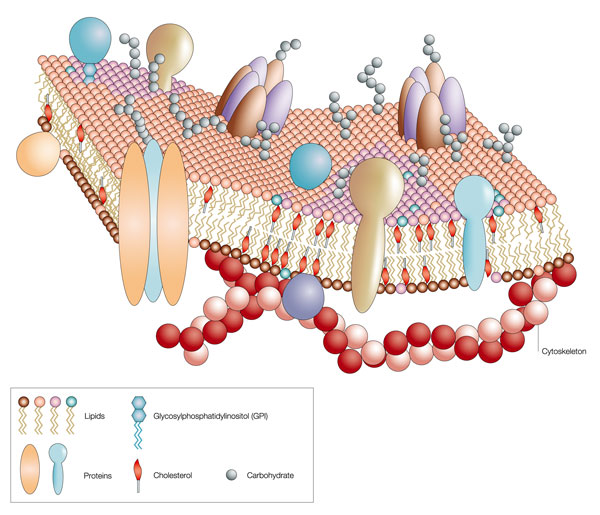
Cell Membrane Transport: Proteins in the cell membrane include channel proteins, which form pores allowing specific ions or molecules to pass through, and carrier proteins, which bind and transport substances across the membrane via conformational changes. For example, glucose transporters facilitate the uptake of glucose into cells.

4. Signaling
Hormones: Protein hormones, such as insulin, regulate various physiological processes. Insulin binds to the insulin receptor, a receptor tyrosine kinase, initiating a signaling cascade that includes phosphoinositide 3-kinase (PI3K) and protein kinase B (AKT), leading to glucose uptake and metabolism.
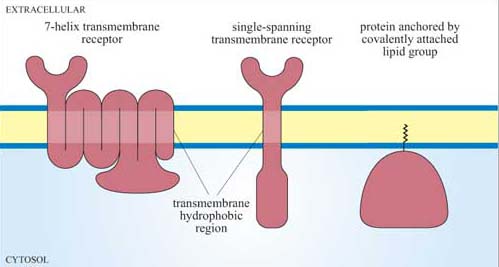
Receptors: Proteins like G-protein coupled receptors (GPCRs) are involved in signal transduction. Upon binding with a ligand, GPCRs activate G-proteins that modulate various intracellular pathways. For instance, beta-adrenergic receptors activate adenylyl cyclase, increasing cyclic AMP (cAMP) levels and activating protein kinase A (PKA).
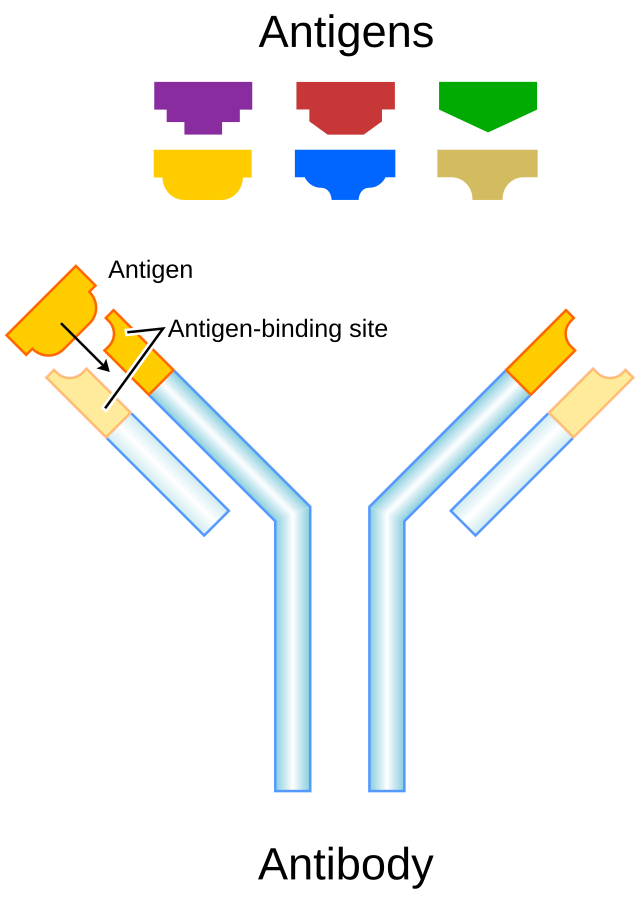
Antibodies: Immunoglobulins (Ig) are Y-shaped proteins with variable regions that specifically bind to antigens. They are crucial for identifying and neutralizing pathogens. The constant region of antibodies mediates immune responses such as complement activation and phagocytosis.
Complement Proteins: The complement system consists of plasma proteins that enhance the ability of antibodies and phagocytes to clear pathogens. Complement activation leads to the formation of the membrane attack complex (MAC), which forms pores in pathogen membranes and promotes their destruction.
Muscle Contraction: Muscle contraction is driven by the interaction of actin and myosin filaments. The cross-bridge cycle involves myosin heads binding to actin, undergoing a conformational change (power stroke), and detaching after ATP hydrolysis, causing the filaments to slide past each other and shorten the muscle fiber.
Motility: Motor proteins such as kinesin and dynein transport cellular cargo along microtubules. Kinesin moves towards the plus end of microtubules (towards the cell periphery), while dynein moves towards the minus end (towards the cell center), using energy from ATP hydrolysis.
7. Storage
Nutrient Storage: Proteins like ferritin store iron in a non-toxic, bioavailable form. Ferritin’s protein shell encapsulates iron in a mineral core, which can be mobilized when needed, ensuring a supply of this essential nutrient.
Energy Storage: Proteins can be broken down into amino acids, which can be converted into glucose through gluconeogenesis or into ketone bodies through ketogenesis. This process is especially important during periods of fasting or prolonged exercise.
8. Regulation
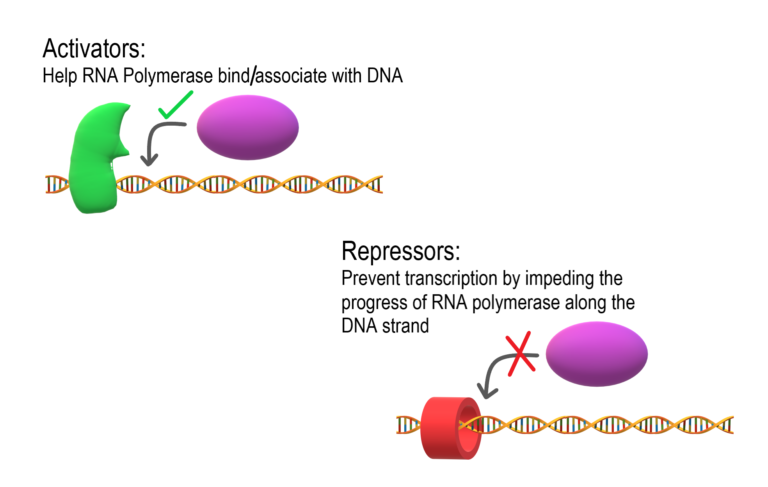
Gene Expression: Transcription factors are proteins that regulate gene expression by binding to specific DNA sequences and modulating transcription. For instance, p53 is a transcription factor that activates genes involved in DNA repair and apoptosis in response to cellular damage.
Cell Cycle Control: Proteins like cyclins and cyclin-dependent kinases (CDKs) regulate the progression of the cell cycle. Cyclins bind to CDKs, forming complexes that phosphorylate target proteins, thereby driving the cell through various stages of the cell cycle.
Cell-Cell Recognition: Proteins such as selectins and integrins mediate cell-cell interactions and adhesion. Selectins bind to carbohydrate ligands on other cells, facilitating cell adhesion and migration, while integrins connect the cytoskeleton to the extracellular matrix, impacting cell movement and tissue formation.
Adhesion Molecules: Cadherins are involved in calcium-dependent cell-cell adhesion, forming structures like adherens junctions and desmosomes that maintain tissue integrity. Integrins facilitate cell-extracellular matrix interactions and play a role in cell signaling and tissue structure.
Please, give your suggetions in comment section.
Follow our blogs for more updates and protocols: https://iammolecularbiologist.blogspot.com/


0 Comments:
Post a Comment